About Career Team
Est. 1996
Deep Workforce Development Roots
Since 1996, Career Team, a workforce development and technology company, has focused on providing greater opportunities and promoting economic self-sufficiency to workers across our nation through increased skills, practical education, and broader connections with employers and in-demand occupations.

Services and Technology
No Other Company Like Career Team
Workforce Services
Over 500 dedicated professionals deliver WIOA, SNAP, and TANF programs nationwide, partnering directly with job seekers, employers, and communities.
Workforce Technology
Over 100 software development experts trained in the latest cloud technologies and AI, led by seasoned executives with decades of enterprise experience.
Coast to Coast
Software solutions utilized in over 30 states, serving millions of job seekers every year with measurable employment outcomes.
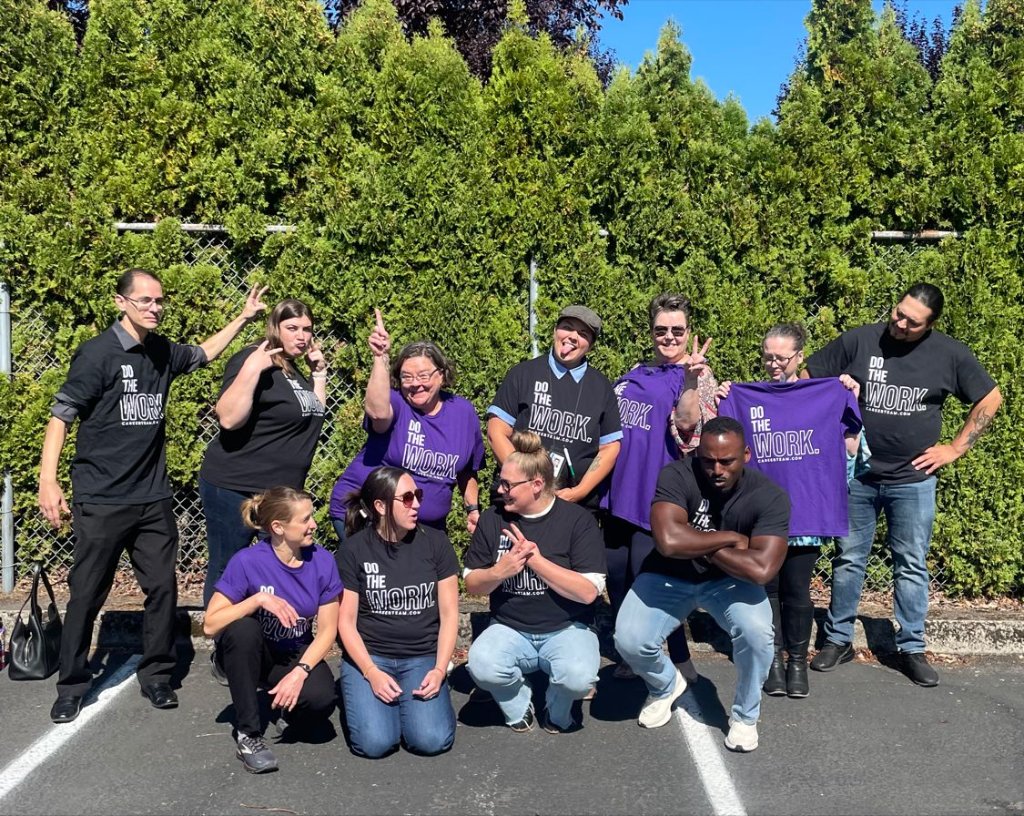
As a workforce services provider and a workforce technology vendor, we bring practical, on-the-ground knowledge into system design and implementation. Our project team includes former case managers, business services representatives, supervisors, center managers, and workforce leaders who understand the day-to-day realities of serving customers, supporting employers, and meeting compliance requirements.
That firsthand experience shaped our approach — bridging the gap between policy and practice to deliver real outcomes.
Our Platform
Career Edge
A cloud-native, purpose-built solution designed by workforce development professionals for workforce development professionals — solving common legacy challenges such as outdated user experiences, limited integrations, siloed workflows, and cumbersome reporting.
The Growing Need
Workforce Development Modernization
Workforce development today is facing evolving economic conditions, the rapid spread of Artificial Intelligence, new expectations from both job seekers and employers regarding service delivery, and an uncertain legislative and political environment.
Yet many states are facing these challenges with legacy technology systems that have limited integration capabilities, difficult data access, may be prone to security issues, and are largely frozen in time. Recent modernization efforts were presented with few options for a modern, unified platform.
At times, states ended up with a patchwork of technology from multiple vendors, separating labor exchange and case management, and even the ETPL in some instances. This resulted in silos of data, barriers within workflows, and limited integration points. Enhancements in one system cannot flow across the overall ecosystem; instead, the artificial boundaries dictate so many of the limitations of these disconnected systems.